OTTO SEO from SearchAtlas built its reputation on a real problem: traditional SEO tools tell you what’s broken but never fix it. OTTO promised the implementation layer that other tools were missing. For some users, it delivers. For others, the gap between the promise and the experience is what brings them to a page like this one.
This guide covers 18 alternatives, but it does not treat them as interchangeable. The right replacement depends on which part of OTTO you were actually using. Most “OTTO alternatives” lists don’t make that distinction. This one does..
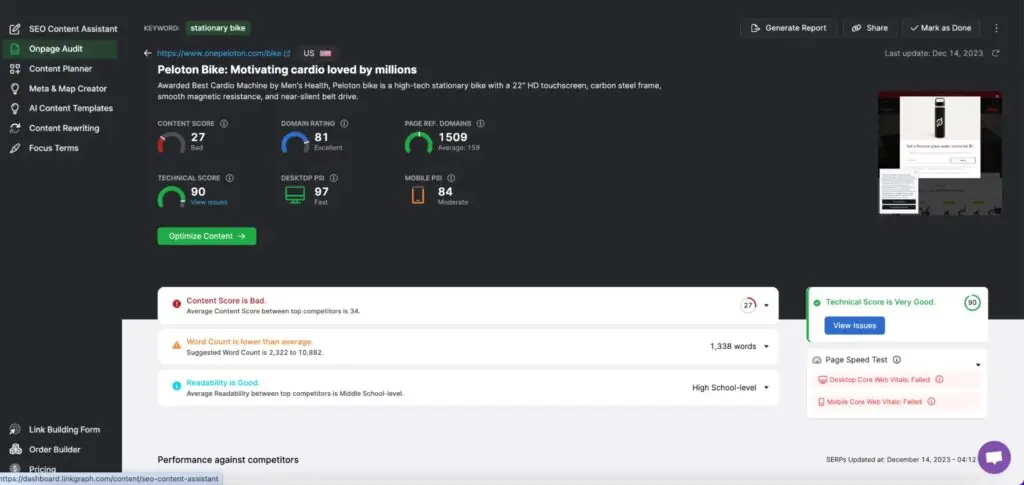
Why people are leaving OTTO
Three issues come up consistently across public reviews and user feedback.
AI search visibility is monitored, not enabled
OTTO offers an LLM tracking add-on that shows you where your brand appears in ChatGPT, Claude, and Perplexity responses. That’s useful diagnostic data. It does not solve the underlying problem: 63% of modern websites built on React, Vue, Next.js, or Angular return blank HTML to AI crawlers, because those crawlers don’t execute JavaScript. Watching your visibility score does not change your visibility. The fastest-growing search channel in 2025 (AI search traffic grew 527% year over year) is also the channel where most monitoring tools stop short of fixing anything.
The pricing is more opaque than it looks
OTTO’s $99 to $399 monthly tiers are the floor, not the ceiling. The platform uses credits for AI features, content generation, and optimization runs. Sites with thousands of pages burn through credits quickly, and per-site OTTO activation fees scale with portfolio size. Multiple users report actual monthly costs running 2 to 3 times the sticker price once credits are factored in. For agencies forecasting client costs, this introduces variance that makes pricing client work harder than it needs to be.
Reliability and support are uneven
Public Trustpilot reviews and Shopify App Store feedback include reports of broken sitemaps after plugin installation, sites de-indexed during onboarding, and slow or unresponsive support during incidents. G2 reviews remain strong, so experiences vary. For teams running production client work, “experiences vary” is itself the problem.
A fourth concern, named honestly
There is also a fourth concern worth naming directly, because it shows up in “why I left OTTO” conversations and because it applies to more than just OTTO. OTTO uses a JavaScript pixel to apply changes at render time. When the subscription ends, the pixel stops rendering and most changes revert. This is true. It is also true of any platform that uses snippet-based deployment, including Alli AI.
The honest framing is that snippet-based deployment is a tradeoff: you get instant rollout, instant rollback, no source code changes, and universal CMS compatibility, in exchange for ongoing infrastructure dependency. If permanent CMS-level changes are non-negotiable for your team, your replacement category is WordPress plugins (covered later on this page), not another snippet platform.
The rest of this guide is organized around the question that actually matters: given why you’re leaving OTTO, what kind of replacement do you actually need?
The three real categories of OTTO replacement
Most “OTTO alternatives” lists, including older versions of this one, treat 15 to 20 tools as if they all do the same thing. They don’t. Lumping Semrush in with Yoast in with Screaming Frog and asking the reader to pick their favorite is how comparison pages waste the reader’s time.
There are three categories of replacement that actually map to why teams leave OTTO. The right one for you depends on what part of OTTO you were relying on.
Category 1: Deployment plus AI crawler enablement. You wanted OTTO because it deploys changes at scale, and you also need your modern web stack to be readable by ChatGPT, Claude, and Perplexity. This is the narrowest category and has one real answer (Alli AI) plus two partial alternatives (staying on SearchAtlas, or building it in-house).
Category 2: Analysis and research, with implementation handled separately. You’re willing to take recommendations from a tool and execute through your CMS, your developer, or a freelancer. You want strong audit, keyword, and backlink data. The dominant options are Semrush, Ahrefs, SE Ranking, and Moz Pro.
Category 3: Permanent CMS-level changes, WordPress only. You don’t want any platform that lives outside your CMS. You want changes written directly to the WordPress database so they persist whether you keep paying or not. The two real options are Rank Math and Yoast SEO.
Read the section that matches your situation first. The remaining tools on this list are useful alongside any of these three categories, but they are not OTTO replacements on their own.
Alli AI: deployment plus AI crawler enablement in one platform
If you came to OTTO because you needed to deploy SEO changes at portfolio scale, and you’re leaving because the AI search story is monitoring rather than enablement, Alli AI is the direct replacement.
What it does that OTTO doesn’t
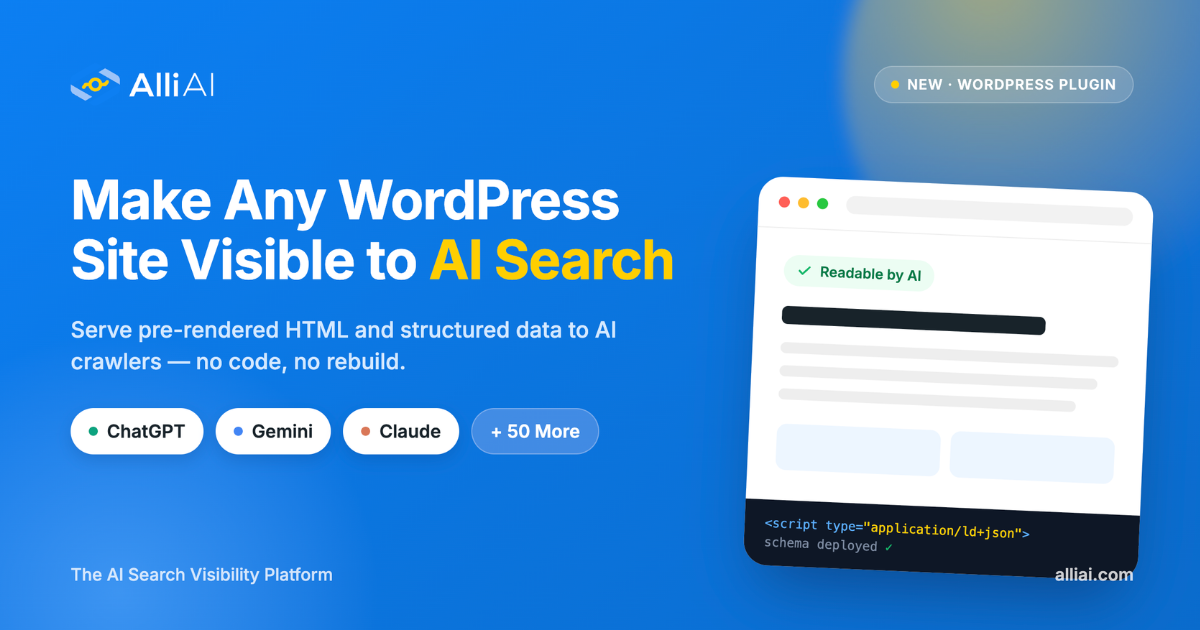
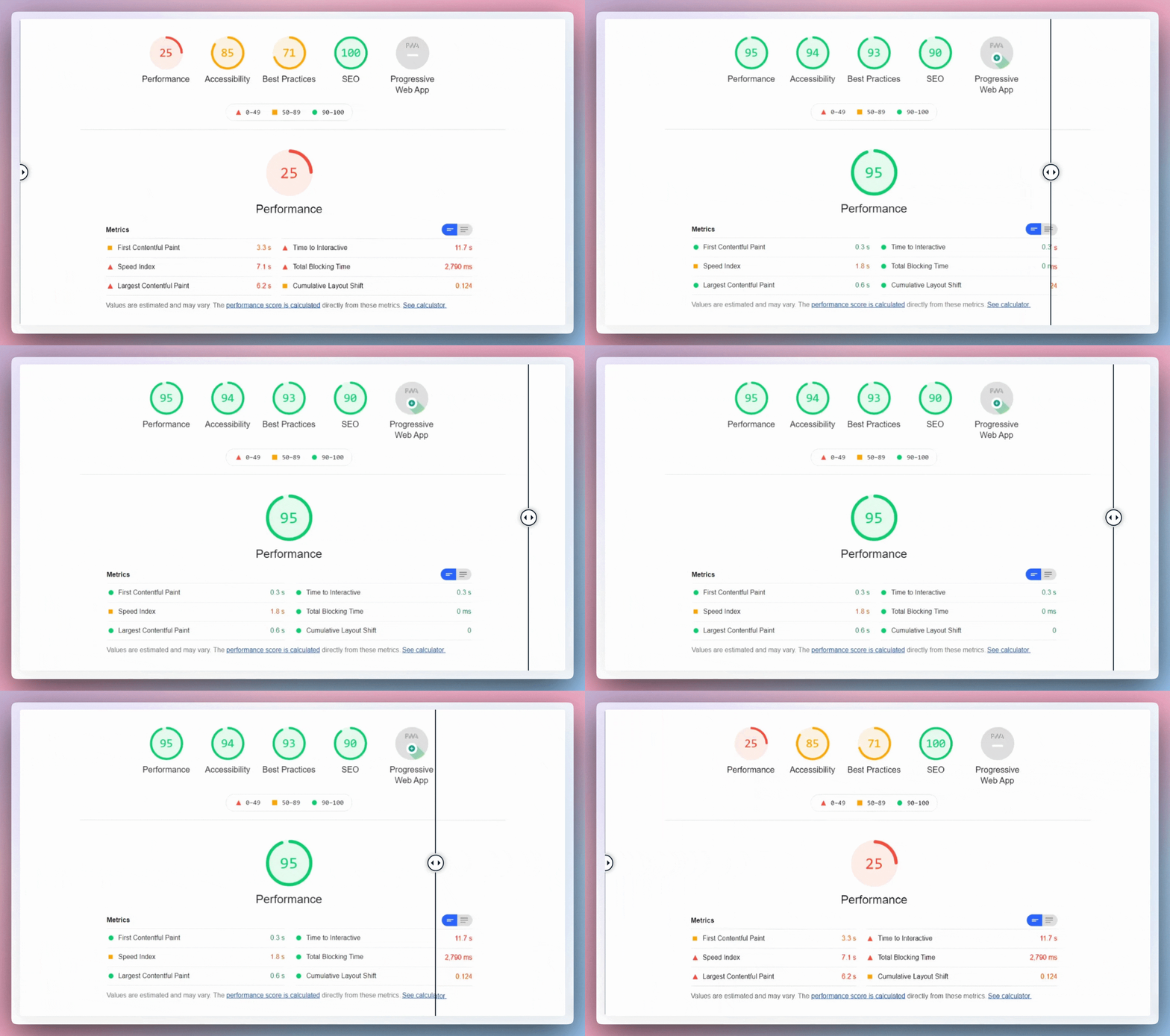
Alli AI’s AI Crawler Enablement Engine pre-renders your site’s HTML and serves the static, fully-rendered version to more than 50 AI crawlers including GPTBot, ClaudeBot, and PerplexityBot. Sites built on React, Vue, Next.js, or Angular that currently return blank pages to those crawlers become fully readable, typically within 24 to 48 hours of snippet installation. This is real server-side rendering infrastructure, not a tag-rewriter. The Visibility Engine Dashboard then surfaces the resulting AI crawler traffic separately from search engines and bots, so you can see what ChatGPT, Claude, and Perplexity are pulling from your site in something close to real time.
Deployment that’s deterministic
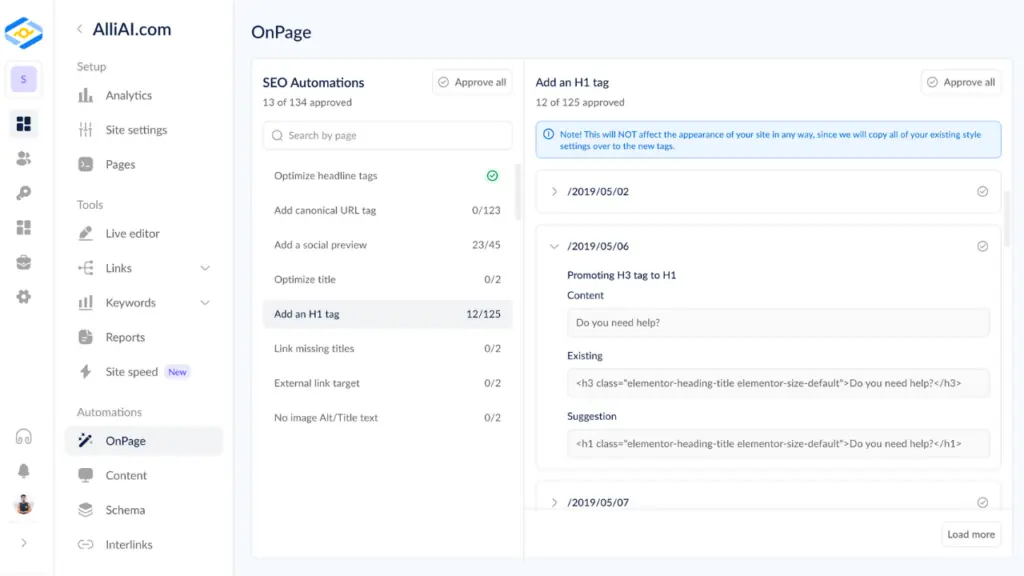
Every change previews before it goes live. Every change rolls back instantly. Nothing modifies your source code, your CMS database, or your hosting environment. One rule deploys across unlimited sites in under 60 seconds. The same snippet works on WordPress, Shopify, Wix, Squarespace, custom React apps, and anything else your portfolio runs on.
The honest part
Alli AI uses snippet-based deployment, the same architectural category as OTTO. If your subscription ends, rendered changes stop rendering. The structural differences are: pre-rendering is real infrastructure (not a feature toggle), the Visibility Engine surfaces traffic data competitors don’t capture, and preview-before-publish plus instant rollback are built into the deployment model rather than bolted on as safeguards.
Pricing
Transparent monthly tiers from Business through Enterprise. No credit system, no per-site activation fees.
Best for: Agencies and in-house teams managing 3 or more sites who need both deployment automation and AI crawler readability without a developer in the loop.
Start free trial → | Book a demo →
Analysis and research tools (implementation handled separately)
If your reason for leaving OTTO is something other than the AI search gap, and you’re willing to handle implementation through your CMS or your developer, the four tools below cover most of what teams need.
These are the strongest options in the analysis category. None of them deploy changes to your site. All of them give you the data and recommendations you need to deploy through other means.
Semrush
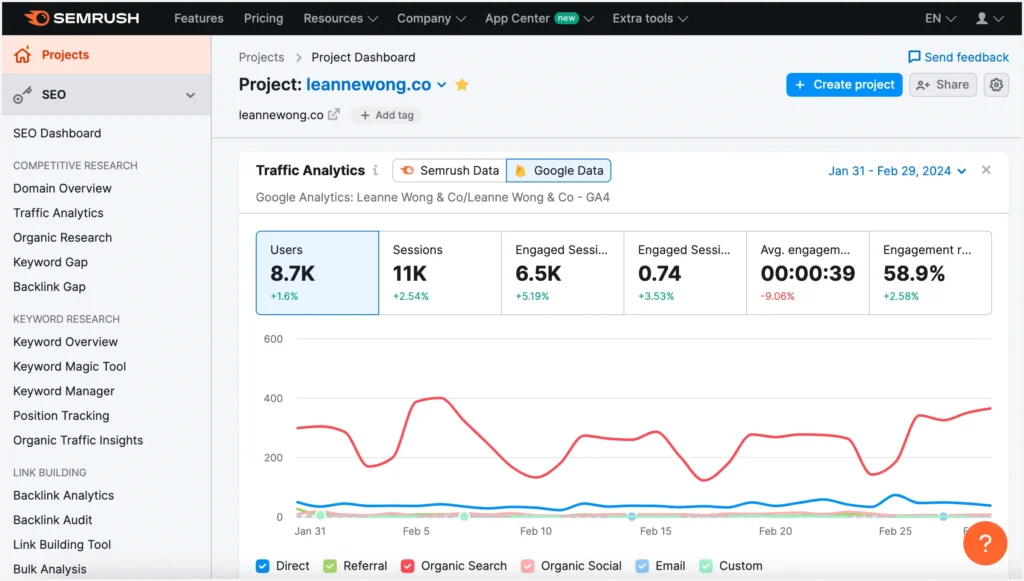
Semrush is the comprehensive marketing suite. With 24.3 billion keywords, 43 trillion backlinks, and integrated SEO, PPC, content, and social tools, it serves agencies running multi-channel digital strategy. Pricing starts at $139.95 per month (Pro) and runs to $499.95 per month (Business). G2 ratings sit at 4.5/5 across 2,800+ reviews.
What it gives you: deep keyword research, daily rank tracking, full backlink analysis, comprehensive site audits, and broader marketing tools (PPC, social, content marketing) that go beyond pure SEO. The $99-per-month AI search add-on tracks brand mentions in ChatGPT, Google AI Overviews, and Perplexity.
What it doesn’t do: deploy a single change to your site. Every recommendation requires manual implementation through your CMS, your developer, or a third-party deployment platform. The interface is also dense and the learning curve is real.
Best for: Large agencies running SEO + PPC + content + social for enterprise clients, where the marketing-suite breadth justifies the price.
Ahrefs
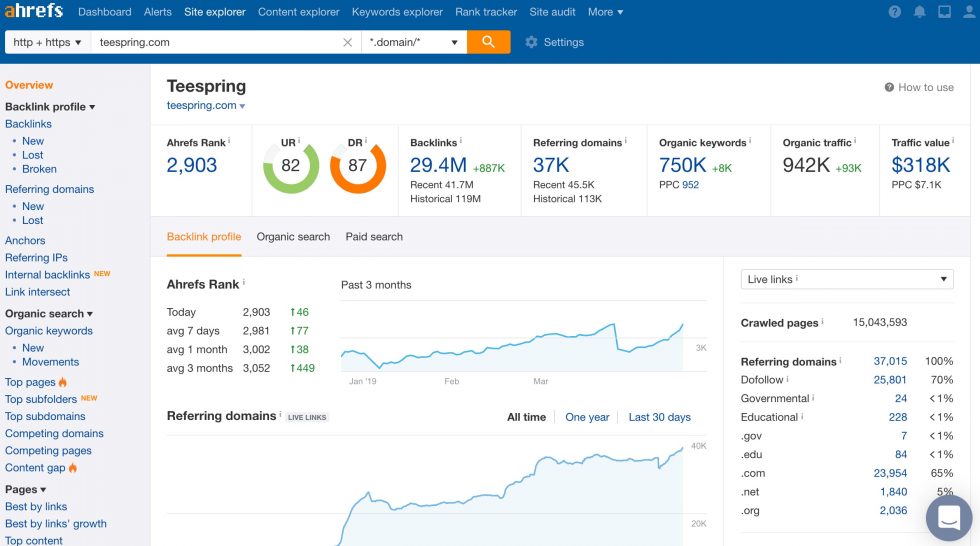
Ahrefs holds the strongest backlink index in the industry: 35 trillion backlinks updated every 15 minutes, second only to Google as a web crawler. Pricing runs $129 per month (Lite) to $449 per month (Advanced).
What it gives you: best-in-class backlink data, content explorer, keyword research, site audits with the new Patches feature for queuing fixes, and Brand Radar AI tracking ChatGPT, AI Overviews, and Perplexity mentions (currently in beta, moving to $99 per month).
What it doesn’t do: implement anything. The Patches feature creates patches but does not deploy them. The credit-based pricing introduced in 2022 has drawn user pushback because credits deplete faster than expected, especially on the Lite and Standard tiers.
Best for: Link-building-focused agencies and SEO consultants who live in the backlink data and need the largest, freshest index available.
4. SE Ranking
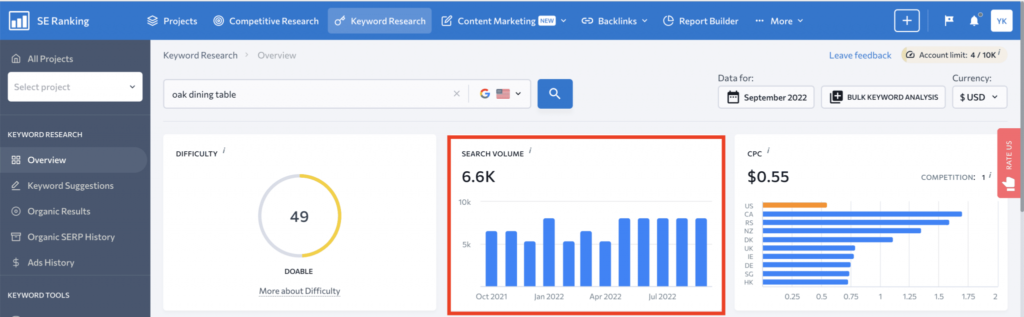
SE Ranking is the value play in the analysis category. Pricing runs $65 per month (Essential) to $599 per month (Business), with most premium features available at half the cost of Semrush or Ahrefs. G2 ratings sit at 4.8/5 across 1,380+ reviews, the highest of the four enterprise tools.
What it gives you: 5.3 billion keyword database, audits up to 15 million pages, daily rank tracking on every plan, content optimization, and white-label reporting. The Agency Pack add-on at $50 per month includes unlimited white-label reports and 10 client seats. AI search tracking across ChatGPT, Perplexity, and Gemini is included free, not a $99-per-month upcharge.
What it doesn’t do: deploy. Same architectural category as Semrush and Ahrefs.
Best for: Small to mid-size agencies (5 to 20 clients) who want full enterprise feature depth without the enterprise price tag.
5. Moz Pro
Moz Pro is the friendliest option for SEO beginners. Pricing runs $49 per month (Starter) to $299 per month (Large), with annual billing dropping rates to $39 to $239 per month. The 30-day free trial is the longest in this category.
What it gives you: Domain Authority and Page Authority (industry-standard metrics), the new Brand Authority score targeting E-E-A-T, weekly rank tracking, basic site audits, and AI Overview keyword tracking.
What it doesn’t do: keep up with Semrush, Ahrefs, or SE Ranking on data freshness or feature depth. The keyword database is 1.25 billion (versus Semrush’s 26.4 billion). Rank tracking updates weekly, not daily. There is no broader LLM tracking beyond AI Overviews.
Best for: Freelancers, in-house solo marketers, and small businesses learning SEO. Most agencies outgrow it within 12 to 18 months.
WordPress only with permanent changes
This is the only category where “permanent changes that survive subscription cancellation” is literally true. Both options write directly to your WordPress database. If you cancel, the optimizations stay.
The tradeoff: WordPress only. If your portfolio includes Shopify, Wix, custom React, or anything else, plugins do not solve your problem and you are in the wrong category.
Rank Math
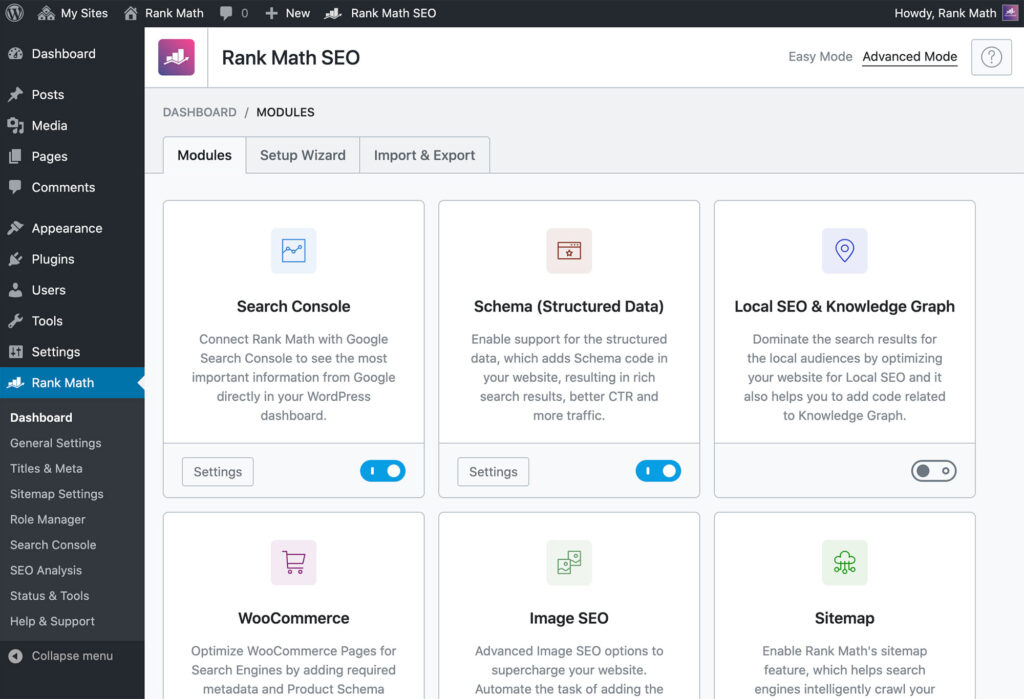
Rank Math offers more in its free version than Yoast charges for in Premium. The free plan includes unlimited keyword optimization (5 per post), 840+ schema types, redirect management, 404 monitoring, and Google Search Console integration. Pro pricing starts at $59 per year (effective rate from $7.99 per month), with Business and Agency tiers at $24.99 per month and $59.99 per month respectively.
Module-based architecture lets you disable unused features for performance, which keeps Rank Math 3x lighter than Yoast on PHP overhead. Built-in rank tracking covers 500 to 75,000 keywords depending on plan, eliminating a separate tool. Content AI provides 40+ writing and optimization tools. WordPress.org rates it 4.9/5 across thousands of reviews.
The Agency tier supports up to 750 client websites with white-labeled reporting. The learning curve is real (the depth of options can intimidate beginners), and theme compatibility issues come up occasionally.
Best for: Agencies running WordPress-only client portfolios who want plugin-level depth without paying per site, and budget-conscious users who want enterprise features at plugin pricing.
Yoast SEO
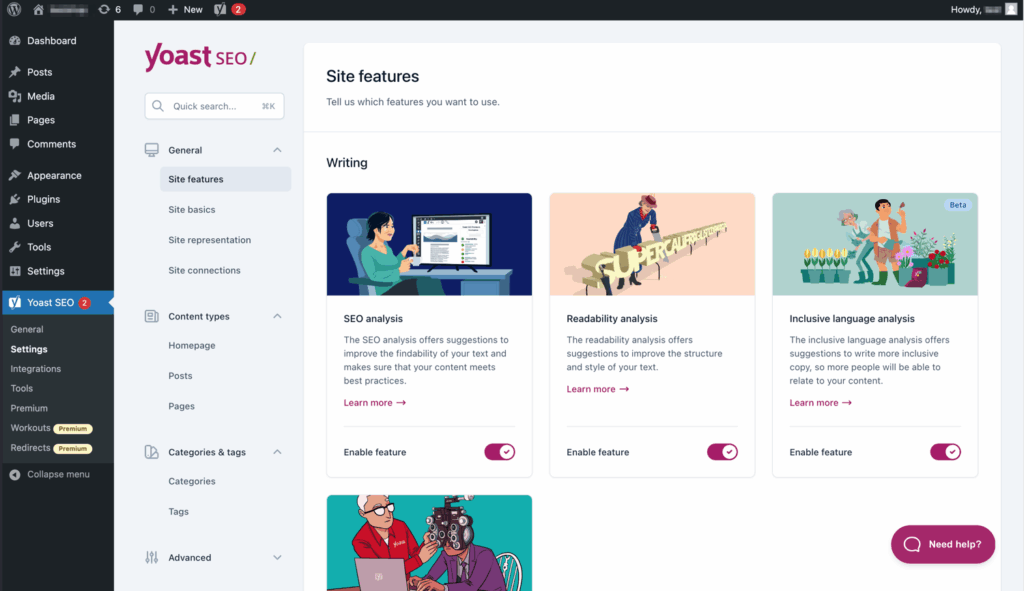
Yoast is the established option: 5+ million active installations, 15+ years of development, and the most extensive documentation in the WordPress SEO space. Premium costs $118.80 per year per site. Every site needs its own license, which is the catch for multi-site portfolios.
What you get with Premium: redirect manager, internal linking suggestions, multiple focus keywords, Semrush integration, Wincher rank tracking, and (as of July 2025) bundled Local, Video, and News SEO modules. The new AI Generate and AI Optimize beta features handle meta descriptions and content suggestions with usage limits.
The free version is limited compared to Rank Math’s free plan. The per-site licensing model gets expensive across portfolios. There are no white-label or agency-specific features.
Best for: Single-site WordPress owners who want a trusted, well-documented plugin and don’t need multi-site economics.
6. Adjacent tools that aren’t OTTO replacements
These tools show up on other “OTTO alternatives” lists but they don’t actually replace OTTO. They solve adjacent problems: writing better content, analyzing backlinks more deeply, auditing technical SEO, or researching competitors. They are useful alongside one of the three categories above. They are not standalone replacements.
Each entry is shorter on purpose. If you want depth on any of them, the standalone reviews on each vendor’s site cover the details.
Content optimization specialists
These tools help you write content that ranks. None of them deploy changes to your site.
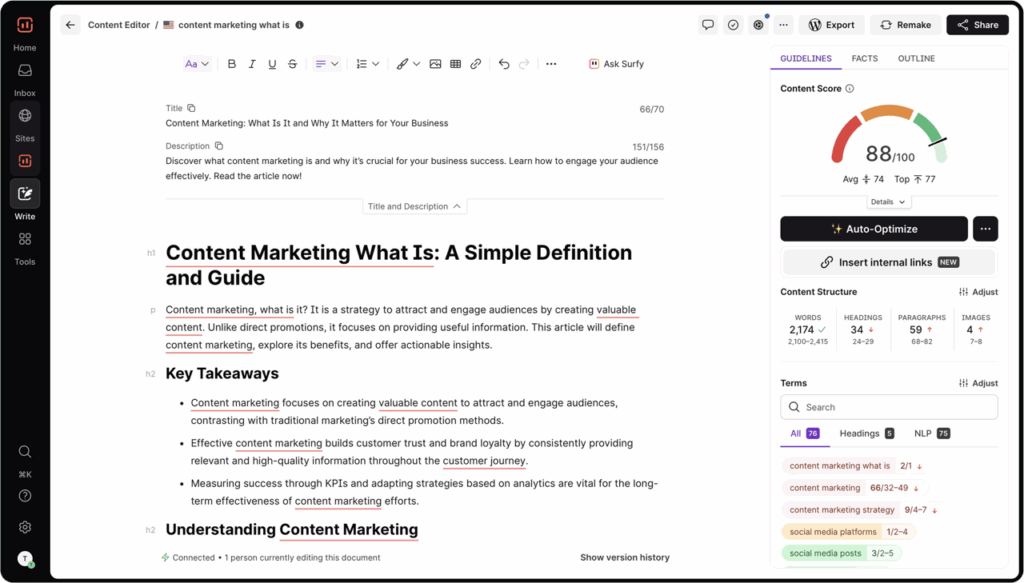
Surfer SEO ($89 to $299 per month). Real-time content scoring with NLP-based optimization across 500+ on-page signals. AI Tracker monitors brand visibility in ChatGPT, Gemini, and AI Overviews. AI article generation is $29 per article on top of subscription. Best fit for agencies producing 50+ optimized articles per month.
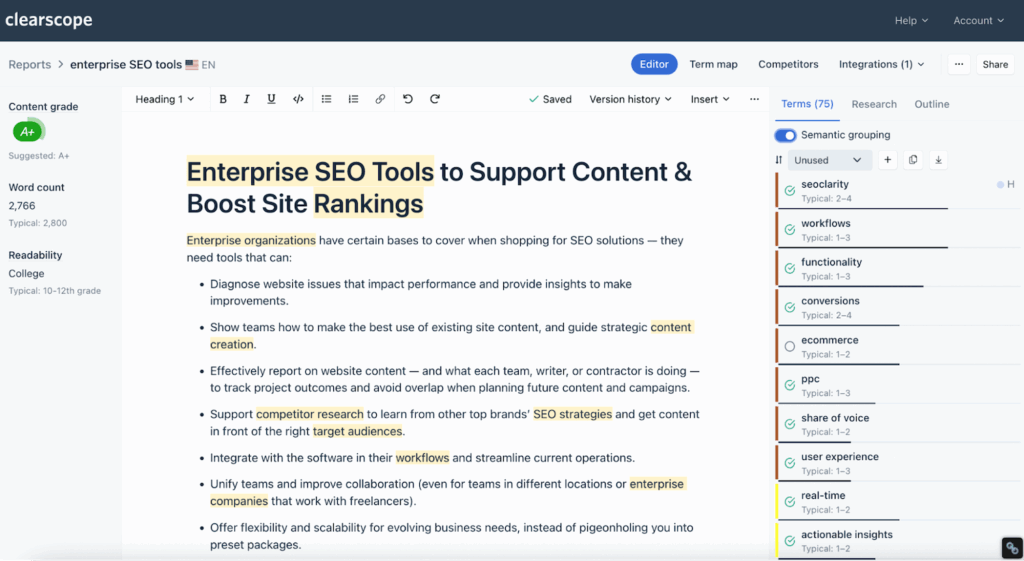
Clearscope ($189 to $399 per month). The simplest interface in this category, with letter-grade scoring (A through F) that editorial teams without SEO backgrounds can use confidently. IBM Watson semantic analysis and unlimited user seats on every plan. Most expensive content tool on this list. Best fit for enterprise editorial teams who prioritize ease of use over feature depth.
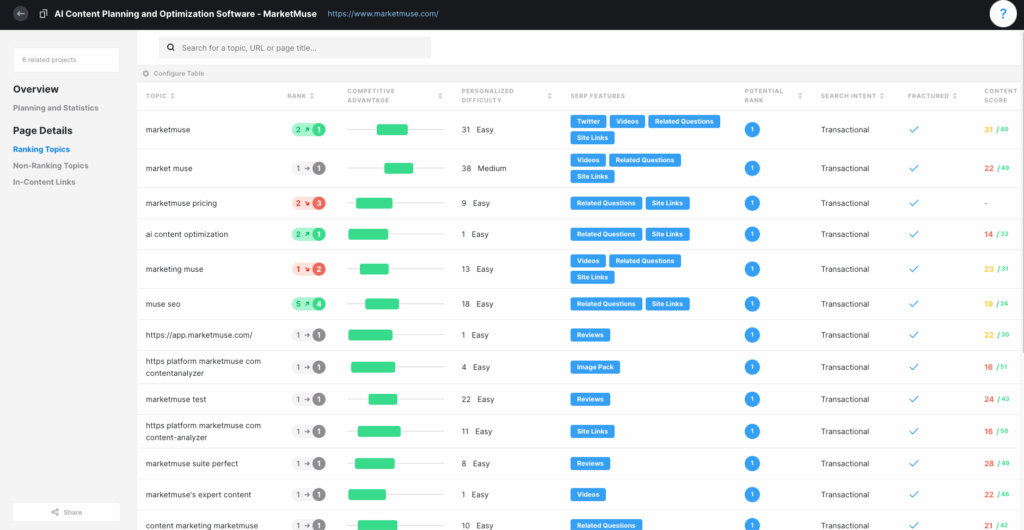
MarketMuse ($99 to $499 per month with credit-based add-ons). Patented topic modeling that analyzes thousands of pages instead of the top 20. Personalized difficulty scores based on your site’s authority. Best fit for enterprises with significant budget building topical authority over 12+ month horizons.
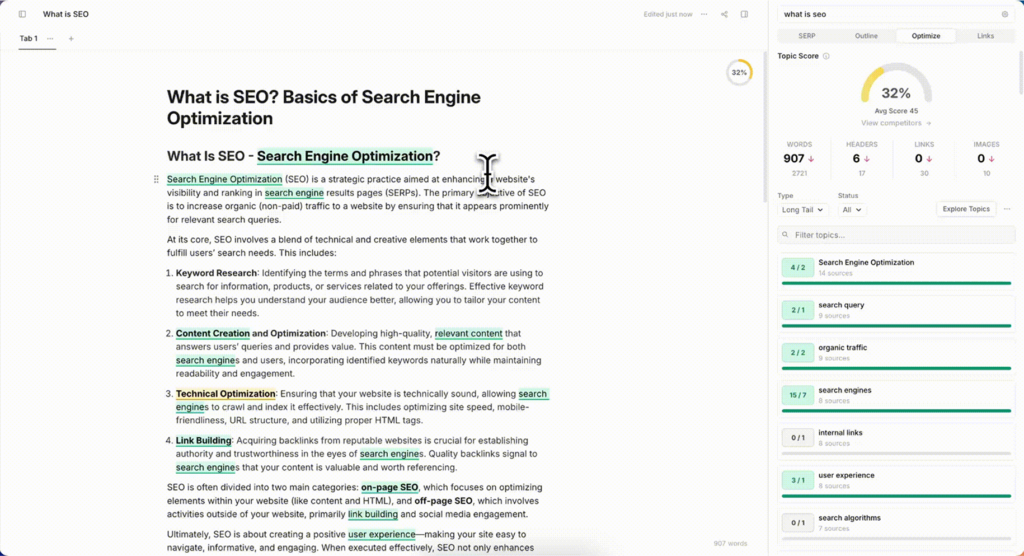
Frase ($15 to $115 per month). Lowest pricing in the category, with unlimited AI writing on the Team plan. Brief generation in seconds. Best fit for solopreneurs and small agencies producing 10 to 30 articles per month on tight budgets.
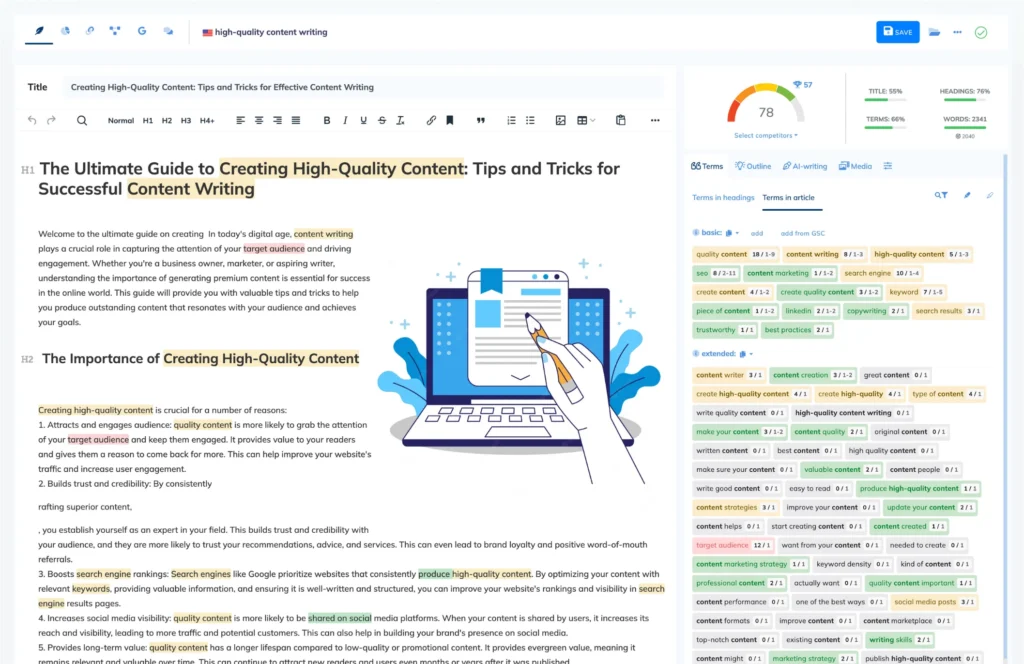
NeuronWriter ($23 to $117 per month). NLP-based content scoring with one-click article generation. Best fit for SEO copywriters producing 50+ pieces monthly who want budget-tier semantic optimization.
Technical SEO and link analysis
These are diagnostic tools, not implementation tools.
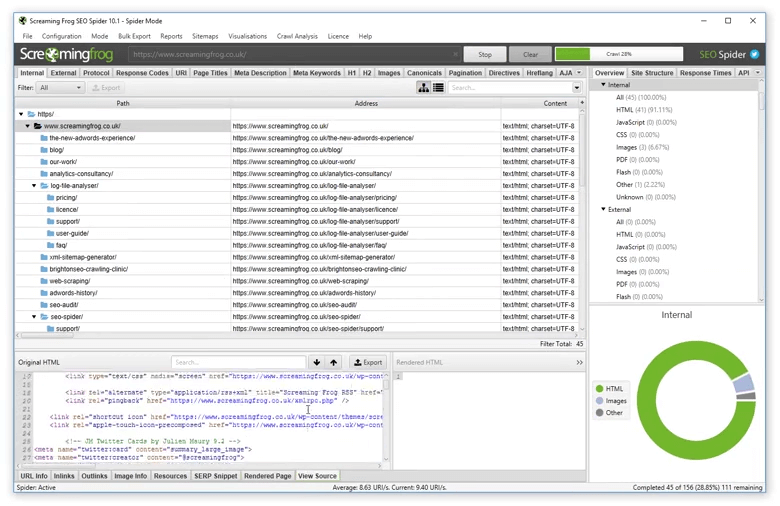
Screaming Frog (£199 per year, roughly $259, one-time annually). Desktop crawler that audits 130+ technical parameters across millions of URLs. AI integrations with OpenAI, Gemini, and Claude for semantic analysis. The free version handles 500 URLs. Best fit for technical SEO specialists running migrations, e-commerce audits, or recurring crawls.
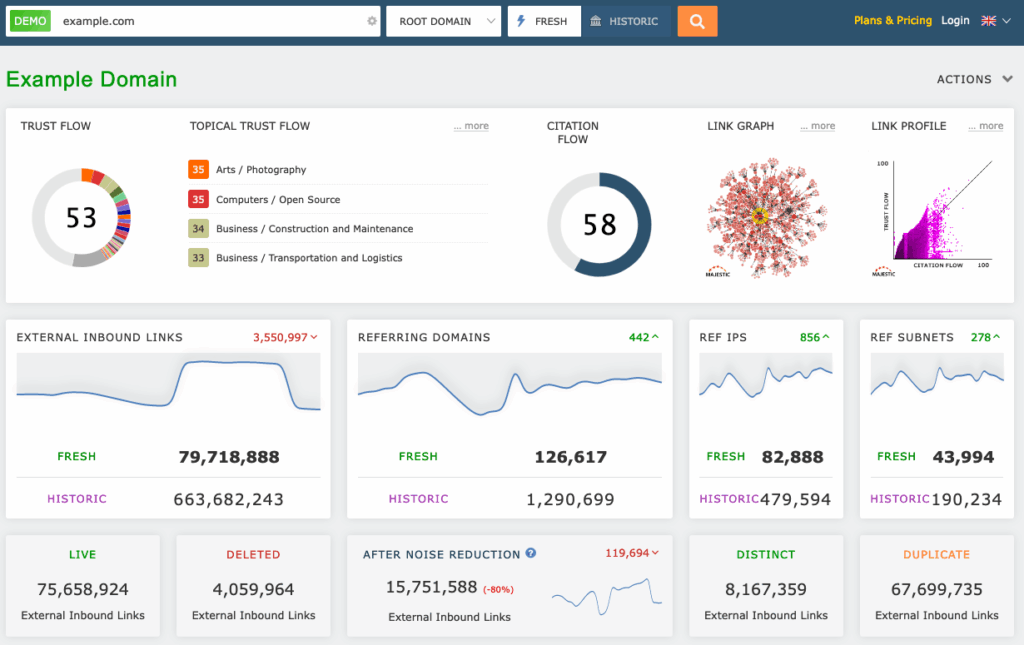
Majestic ($49.99 to $1,599.99 per month). Largest commercial backlink database with Trust Flow and Citation Flow as proprietary authority metrics. Historic Index goes back to 2006. Pure link analysis, no keyword research or technical audits. Best fit for link-building specialists and domain traders.
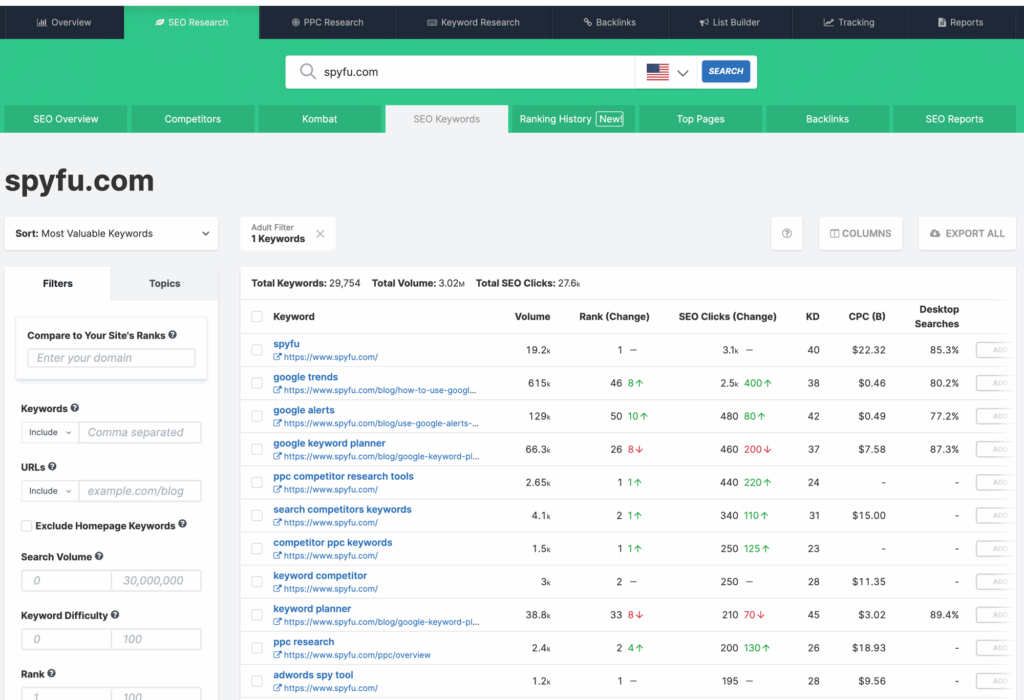
SpyFu ($39 to $79 per month). Competitor keyword and PPC research with 15+ years of historical SERP data. SpyGPT tracks brand mentions in AI models. Data updates weekly to monthly, not in real time. Best fit for agencies reverse-engineering competitor strategy or qualifying prospects.
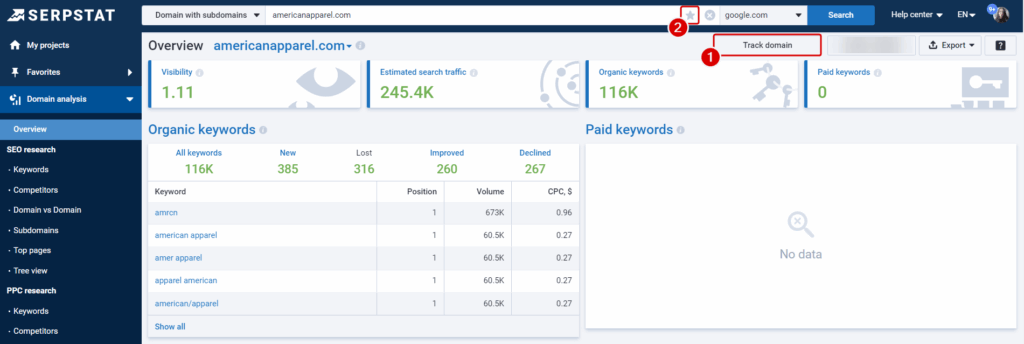
Serpstat ($69 to $499 per month). Budget all-in-one with 50+ tools across keyword research, competitor analysis, audits, rank tracking, and backlinks. Trustpilot reviews mention pricing changes that catch users off guard. Best fit for budget-conscious agencies who want Semrush-style breadth at half the price.
Specialists
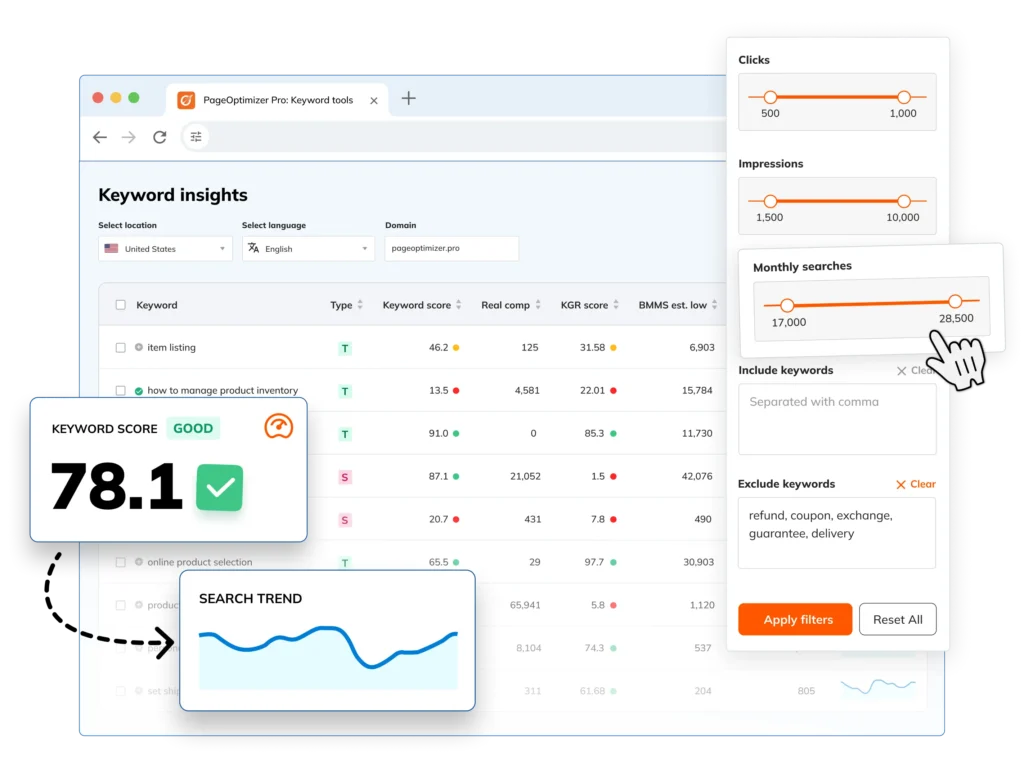
16. PageOptimizer Pro ($34 to $67 per month plus credits). Kyle Roof’s scientific testing methodology based on 400+ Google algorithm tests. The E-E-A-T optimizer with 80-point evaluation system is the only tool of its kind. Recommendations only, no automation. Best fit for content teams who want empirical, test-driven optimization rules.
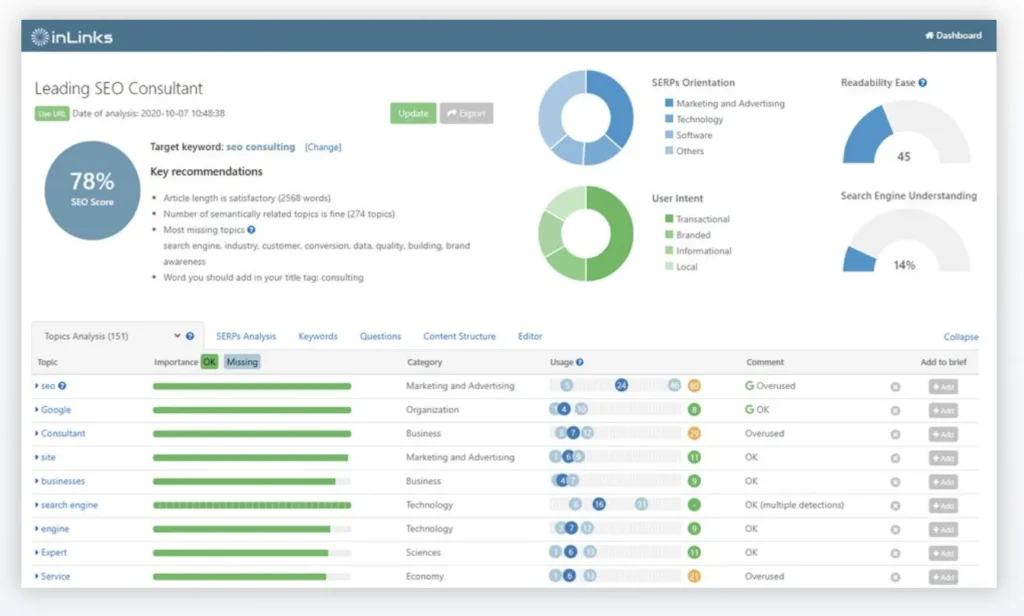
17. InLinks ($49+ per month). Entity-based optimization using a proprietary knowledge graph. Automated internal linking and schema deployment via JavaScript injection (subscription-dependent, same architectural category as OTTO and Alli AI). Best fit for technical SEO specialists working on entity SEO and AI search era preparation.
Decision framework
The shortest path from “I’m leaving OTTO” to “I picked the right replacement” runs through one question:
What part of OTTO were you actually using?
| If you were using OTTO for… | Pick from this category | The strongest options |
|---|---|---|
| Bulk deployment + AI crawler readability | Deployment + AI enablement | Alli AI |
| Audits, recommendations, keyword/backlink data | Analysis and research | Semrush, Ahrefs, SE Ranking, Moz Pro |
| Just the WordPress changes | WordPress plugins | Rank Math, Yoast SEO |
Three secondary considerations:
- If your portfolio mixes WordPress and non-WordPress sites, plugins don’t cover you. You need a snippet platform.
- If your team has a developer who can implement changes, you may not need a deployment tool at all. Pair an analysis tool with developer time and you’ve covered most of OTTO’s job.
- If you’re choosing primarily on AI search visibility, verify that the platform actually pre-renders your site for AI crawlers (real server-side rendering for crawlers that don’t execute JavaScript). Tracking AI mentions is not the same capability.
Ready to test it?
Start your free trial of Alli AI. Preview before publish, instant rollback, AI crawler enablement included on every plan. No credit card required.
Or book a 30 minute demo to see the Visibility Engine Dashboard against a portfolio similar to yours.